Frequently Asked Questions (FAQs)
- How often should I have my eyes checked by an optometrist?
The ideal frequency for an eye exam depends on your age, vision needs, and overall eye health. Regular eye exams are important not only for updating your glasses or contact lens prescription, but also for detecting early signs of eye disease and general health conditions.
General Eye Exam Guidelines
Children (0–19 years):
Children should have their first eye exam between 6–12 months of age, another at age 2–5, and then annually once in school. Early exams help detect vision problems that can affect learning and development.
Adults (20–64 years):
Most adults should have an eye exam every 1–2 years, even if their vision seems fine. If you wear glasses or contact lenses, yearly exams are typically recommended.
Seniors (65+ years):
Adults over 65 should have their eyes checked every year, as the risk of conditions like cataracts, glaucoma, and macular degeneration increases with age.
Do I need more frequent eye exams?
You may need to have your eyes checked every year or more often if you:
- Have diabetes or other health conditions
- Are at risk for glaucoma or macular degeneration
- Experience symptoms like blurry vision, eye strain, or headaches
- Notice flashes, floaters, or sudden vision changes
Are eye exams covered in Ontario?
In Ontario, OHIP covers basic annual eye exams for:
- Patients under 20
- Patients 65 and older
- Patients with certain medical conditions (e.g., diabetes)
For others, exams may be covered through private vision insurance, and many clinics offer direct billing.
Why do regular eye exams matter?
Even if your vision feels normal, many eye conditions develop without early symptoms. Routine eye exams can help detect issues like:
- Glaucoma
- Macular degeneration
- Diabetic eye disease
- Retinal problems
Early detection means better treatment outcomes and helps protect your long-term vision.
Looking for an eye exam near you? Looking for an eye doctor near you?
If you’re unsure how often you should have your eyes checked, our team can help guide you based on your age, lifestyle, and eye health. Book your comprehensive eye exam today and keep your vision clear and healthy.
- Do you offer direct billing for eye exams, glasses, or contact lenses through insurance?
Yes, we offer direct billing (assignment of benefits) for most major vision insurance providers in Ontario. This means we can submit your claim directly to your insurance company, so you only pay any portion not covered by your plan.
Many patients ask, “Do you take my insurance?” or “Do I have to pay upfront?”—in most cases, we can take care of the claim for you right in our clinic.
Which insurance companies do you accept?
We commonly provide direct billing for providers such as:
- Sun Life
- Manulife
- Green Shield Canada
- Canada Life
- Blue Cross
- Desjardins
- 793 Union
- Many others
(If you have a different provider, just ask—coverage varies by plan)
What services can be direct billed?
Depending on your plan, we can often bill directly for:
- Eye exams
- Glasses (frames and lenses)
- Contact lenses and fittings
What should I bring to my appointment?
To make direct billing quick and easy, please bring:
- Your insurance card or policy information
- The policyholder’s details (if different from you)
Looking for an optometrist with direct billing near you?
We make using your vision insurance simple and hassle-free. If you’re unsure about your coverage for an eye exam, glasses, or contact lenses, contact our clinic and we’ll be happy to help check your benefits.
- Why do my eyes feel tired and irritated at the end of the day?
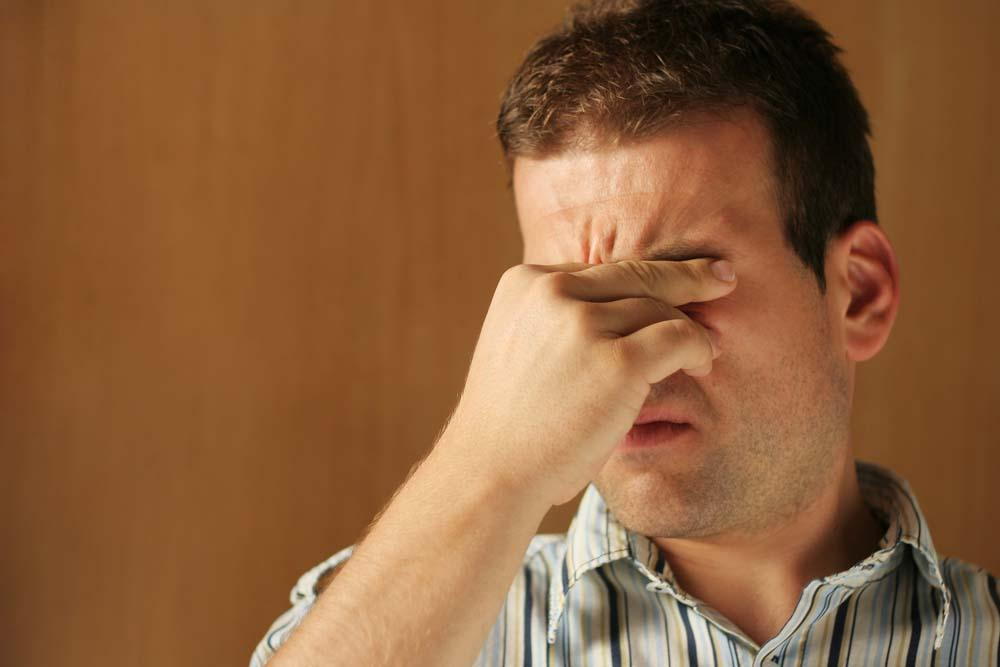
If your eyes feel tired, heavy, or strained by the end of the day, you’re not alone. Eye fatigue—also known as digital eye strain or asthenopia—is one of the most common complaints in modern life, especially with increased screen use.
Common Symptoms of Eye Fatigue
You may notice:
- Tired, aching, or burning eyes
- Blurry or fluctuating vision
- Headaches, especially around the temples or behind the eyes
- Difficulty focusing, particularly when switching from near to far
- Dry, gritty, or watery eyes
Why Do Eyes Get Tired?
- Prolonged Screen Time (Digital Eye Strain)
Staring at computers, phones, or tablets for long periods forces your eye muscles to work continuously. On top of that, we tend to blink less when using screens, leading to dryness and discomfort.
- Dry Eyes
Tears are essential for keeping your eyes comfortable and clear. As the day goes on, your tear film can break down—especially in dry environments or with heavy screen use—leading to irritation and fatigue.
- Focusing Effort (Accommodation Fatigue)
Your eyes constantly adjust focus for reading, driving, and screen use. Over time, these focusing muscles can become overworked, especially if you’re doing a lot of near work.
- Uncorrected Vision Problems
Even small amounts of nearsightedness, farsightedness, or astigmatism can cause your eyes to work harder than necessary, leading to fatigue by the end of the day.
- Lighting and Environment
Poor lighting, glare from screens, or working in dim conditions can strain your eyes and contribute to discomfort.
How to Reduce Eye Fatigue
Here are simple, effective strategies to help relieve tired eyes:
- Follow the 20-20-20 rule: Every 20 minutes, look 20 feet away for 20 seconds
- Blink more often: This helps keep your eyes hydrated
- Adjust your screen setup: Ensure proper lighting and reduce glare
- Use artificial tears: Especially if dryness is a factor
- Take regular breaks: Give your eyes time to rest during long tasks
When Should You See an Eye Doctor?
If your symptoms are frequent, worsening, or affecting your daily activities, it’s important to have a comprehensive eye exam. Our eye doctors can check for underlying issues like dry eye disease, focusing problems, or the need for updated glasses.
- What Do I Do If I See Floaters in My Vision? Causes, Warning Signs & When to See an Eye Doctor
Most floaters are harmless and don’t require treatment. However, if they suddenly increase in number or are accompanied by flashes of light or vision loss, seek medical attention immediately.
Noticing small spots, threads, or “cobwebs” drifting across your vision can be unsettling. In many cases, floaters are harmless. But sometimes, they can signal a more serious eye condition that needs urgent attention. Here’s what you need to know.
What Are Eye Floaters?
Floaters are tiny clumps or strands inside the vitreous (the gel-like substance in your eye). As light enters your eye, these particles cast shadows on the retina—what you see as floating shapes.
They may appear as:
- Dots or specks
- Squiggly lines
- Transparent threads
- Shadowy spots that move when your eyes move
Common Causes of Floaters
- Age-Related Changes
The most common cause is natural aging of the eye.
Over time:
- The vitreous becomes more liquid
- Tiny fibers clump together
- These clumps appear as floaters
- Posterior Vitreous Detachment (PVD)
As the vitreous shrinks, it can pull away from the retina.
This is common after age 40–50 and may cause:
- Sudden floaters
- Occasional flashes of light
At Regal Eye Care, we provide detailed eye exams to assess floaters and rule out serious eye conditions.
Floaters are often harmless—but they can sometimes signal something more serious. The safest approach is to get them checked by an eye care professional.
Book your eye exam today to ensure your eyes are healthy and your vision is protected
Are eye floaters normal?
Yes, especially with age. Most are harmless and don’t require treatment.
Do floaters go away?
They usually don’t disappear completely, but they often become less noticeable over time.
Can stress or screen use cause floaters?
Not directly, but they can make you more aware of visual disturbances.
When should I worry about floaters?
If they appear suddenly, increase quickly, or are accompanied by flashes or vision loss, you should seek care immediately.
- Do blue light glasses work?
Blue light glasses have become increasingly popular for reducing eye strain and improving sleep—but do they actually make a difference?
Here’s what you need to know.
What Is Blue Light?
Blue light is a high-energy visible light that comes from:
- Digital screens (phones, computers, tablets)
- LED lighting
- The sun (the largest source)
While blue light is a natural part of our environment, prolonged exposure from screens has raised concerns about eye comfort and sleep quality.
Do Blue Light Glasses Work for Eye Strain?
Short answer: They can help—but they’re not a complete solution
Many people experience digital eye strain, also known as computer vision syndrome. Symptoms include:
- Tired or heavy eyes
- Dryness or irritation
- Blurry vision
- Headaches
Blue light glasses are designed to filter a portion of blue light, which may:
- Improve visual comfort for some users
- Reduce glare from screens
What Blue Light Glasses Don’t Do
It’s important to be realistic.
Blue light glasses:
- Don’t eliminate eye strain completely
- Don’t replace proper eye care
- Don’t fix underlying vision problems
If you have an outdated prescription or dry eyes, glasses alone won’t solve the issue.
Ways to Reduce Eye Strain
If your eyes feel tired after screens, these strategies are more effective:
– Follow the 20-20-20 Rule. Every 20 minutes, look 20 feet away for 20 seconds
– Blink More Often. Screen use reduces blinking, leading to dryness.
-Adjust Screen Settings
- Reduce brightness
- Increase text size
- Use night mode in the evening
-Take Regular Breaks. Limit continuous screen time when possible.
-Use Artificial Tears. Helps relieve dryness caused by reduced blinking
Who Should Consider Blue Light Glasses?
They may be helpful if you:
- Spend 6+ hours per day on screens
- Experience mild eye strain
- Use devices late at night
- Have difficulty falling asleep after screen use
When to See an Optometrist
If you’re experiencing ongoing eye discomfort, it’s important to rule out underlying issues.
You should consider an eye exam if:
- Eye strain happens daily
- You have frequent headaches
- Vision becomes blurry
- Your eyes feel consistently dry or irritated
At Regal Eye Care, we can assess your vision, screen habits, and eye health to recommend the best solution—including whether blue light lenses are right for you.
Frequently Asked Questions
Are blue light glasses worth it?
They can be helpful for comfort and sleep, but results vary from person to person.
Do I need a prescription for blue light glasses?
They are available with or without prescription lenses.
Can blue light damage your eyes?
There is no strong evidence that everyday screen use causes permanent eye damage, but it can cause discomfort.
Should kids use blue light glasses?
In some cases, yes—especially with high screen use—but proper eye exams are more important.
Book your eye exam today to keep your vision clear and comfortable.
- How do I know if my child needs glasses? Signs, Symptoms & When to Book an Eye Exam
As a parent, it’s not always easy to tell if your child is having trouble seeing. Many kids don’t realize their vision isn’t normal—so they won’t complain.
Why Children’s Vision Matters
Clear vision is essential for:
- Learning and reading
- Attention and focus in school
- Hand-eye coordination
- Overall development
In fact, many learning or attention issues can sometimes be linked to undetected vision problems.
Common Signs Your Child May Need Glasses
- Squinting or Closing One Eye
If your child squints to see clearly or closes one eye:
- They may be trying to compensate for blurry vision
- This can indicate nearsightedness, farsightedness, or astigmatism
- Sitting Too Close to Screens or Books
- Holding devices very close
- Sitting close to the TV
- Frequent Headaches or Eye Rubbing
- Complaints of headaches after school
- Rubbing eyes often
- Trouble Concentrating or Avoiding Reading
If your child:
- Loses their place while reading
- Avoids homework or reading tasks
- Has difficulty focusing
- Tilting the Head or Covering One Eye
This may suggest:
- Eye alignment issues
- Double vision
- Difficulty focusing
- Poor Performance in School
Vision problems can affect:
- Reading comprehension
- Writing accuracy
- Attention span
Many children are misidentified as having learning issues when it’s actually vision-related
- Complaints of Blurry Vision
Some children will say:
- “I can’t see the board”
- “Things look blurry”
But many won’t mention it at all—because they think it’s normal.
Common Vision Problems in Children
Children may need glasses due to:
- Myopia (nearsightedness) – difficulty seeing far away
- Hyperopia (farsightedness) – difficulty focusing up close
- Astigmatism – blurry or distorted vision
- Eye coordination issues
When Should Children Have an Eye Exam?
Even if there are no obvious signs, children should have regular eye exams.
General guidelines:
- First eye exam: around 6–12 months
- Preschool: at least once
- School age: every 1–2 years
Early detection is key to preventing long-term issues.
At what age do kids usually need glasses?
Children can need glasses at any age—even toddlers. Many are diagnosed during early school years.
Can a child have vision problems without symptoms?
Yes. Many children don’t realize their vision is blurry because they’ve never experienced anything different.
Will glasses make my child’s eyes worse?
No. Glasses correct vision—they do not weaken the eyes.
How do I know if my child’s headaches are vision-related?
If headaches occur after reading or screen time, an eye exam is recommended.
Schedule an eye exam today and give your child the best start possible.
- Can I get contact lenses if I have dry eyes?
Yes—many patients with dry eyes can still wear contact lenses, but comfort and success depend on choosing the right lenses and properly managing the dryness. If your eyes feel dry, irritated, or uncomfortable with contacts, an optometrist can help customize a solution.
Do contact lenses make dry eyes worse?
Contact lenses can sometimes increase dry eye symptoms, especially if:
- You wear lenses for long hours
- You use older or monthly replacement lenses
- You spend a lot of time on screens (reduced blinking)
- Your tear film is already unstable
However, with the right approach, many people can still wear contacts comfortably.
What are the best contact lenses for dry eyes?
The best contact lenses for dry eyes are designed to retain moisture and improve comfort, including:
- Daily disposable lenses: Fresh lenses every day help reduce dryness and irritation
- Silicone hydrogel lenses: Allow more oxygen to reach the eye
- Specialty lenses for dry eyes: Designed to maintain hydration longer
Our optometrists can recommend the best option based on your tear film and lifestyle.
Tips to make contact lenses more comfortable
If you have dry eyes but want to wear contacts, these strategies can help:
- Use preservative-free artificial tears approved for contact lenses
- Take breaks from screens and follow the 20-20-20 rule
- Limit wearing time, especially late in the day
- Stay well hydrated
- Ensure proper lens hygiene and replacement schedule
Can dry eye treatment help me wear contacts again?
Yes. Treating the underlying dry eye can significantly improve contact lens comfort. Options may include:
- Lubricating eye drops or gels
- Prescription dry eye medications
- In-office treatments such as IRPL (intense regulated pulsed light)
- Lid hygiene and meibomian gland care
Looking for contact lenses for dry eyes near you?
If your contacts feel dry or uncomfortable, you don’t have to give them up. A personalized contact lens fitting and dry eye assessment can help you find a comfortable, long-term solution.
Book an appointment today to see what options are best for your eyes.
Emergency Eye Care for Foreign Objects – Orangeville Optometrist
Got something stuck in your eye? Visit Regal Eye Care in Orangeville for walk-in emergency treatment. Located across from Headwaters Hospital.
Got Something Stuck in Your Eye? Here’s Where to Go in Orangeville
A speck of dust, a wood shaving, or even a tiny metal fragment — it doesn’t take much to turn your day into a painful emergency when something gets stuck in your eye.
At Regal Eye Care in Orangeville, we offer walk-in emergency treatment for foreign objects in the eye, helping you get fast relief and protect your vision.
When to Seek Help Immediately?
If you experience any of the following, come see us right away:
● A sharp object or particle stuck in your eye
● Redness, swelling, or discharge
● Pain that doesn’t go away after rinsing
● Blurred or double vision
● Light sensitivity
● A feeling that something is “scratching” your eye
Never try to remove the object with tweezers or cotton swabs, and don’t rub your eye — it can cause more damage. Our optometrists are trained to safely remove foreign bodies and manage any related trauma or infection.
Conveniently Located Near Headwaters Hospital
We’re located just across from Headwaters Health Care Centre, making us an ideal stop for urgent eye care without the ER wait times. Walk-ins are welcome, and we offer same-day appointments when available.
50 Rolling Hills Drive, Unit 3, Orangeville (519) 307-7771
Foreign object eye injuries can happen to anyone — from construction workers to toddlers playing in the sandbox. Our team provides gentle, age-appropriate care for the whole family.